
Space Exploration
Space exploration covers missions, research, and technology advancing humanity's understanding and presence beyond Earth.
Space exploration covers missions, research, and technology advancing humanity's understanding and presence beyond Earth.
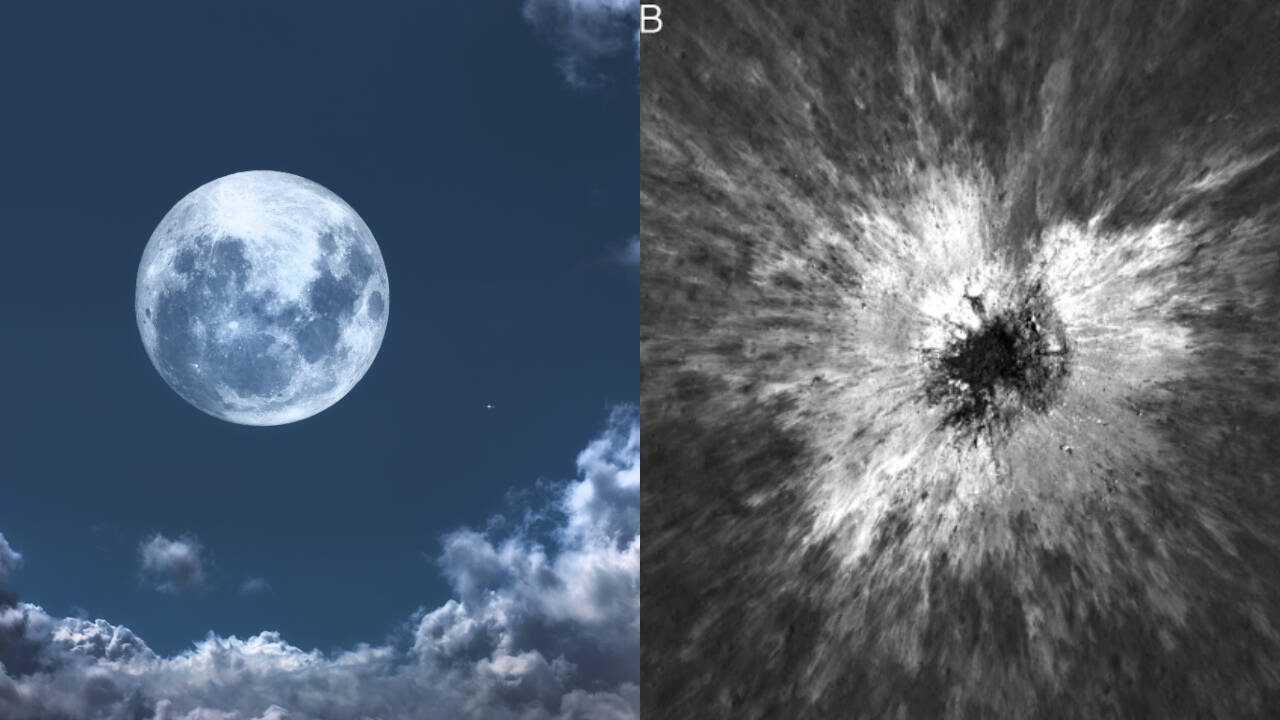
NASA finds 728-foot Moon crater from 2024 impact nobody saw happen
NASA has identified a 728‑foot crater on the Moon that resulted from an impact in 2024, an event that was not observed by Earth‑based or orbital instruments.
At just a gram and eight millimetres, Srikakulam researcher’s wind turbine enters International Book of Records
An independent researcher from Srikakulam has engineered an exceptionally small and lightweight wind turbine using basic materials like copper sheets and a DC motor. The miniature device, weighing only one gram, has been officially recognized by the International Book of Records. Its creator envisions practical applications for the silent turbine in fields such as space exploration and robotics.

‘Don't turn outer space into warzone’: China slams US deployment of weapons in space
China condemned the United States for deploying weapons in space, warning that such actions could turn outer space into a warzone. The statement reflects growing tensions over space militarization between the two powers.
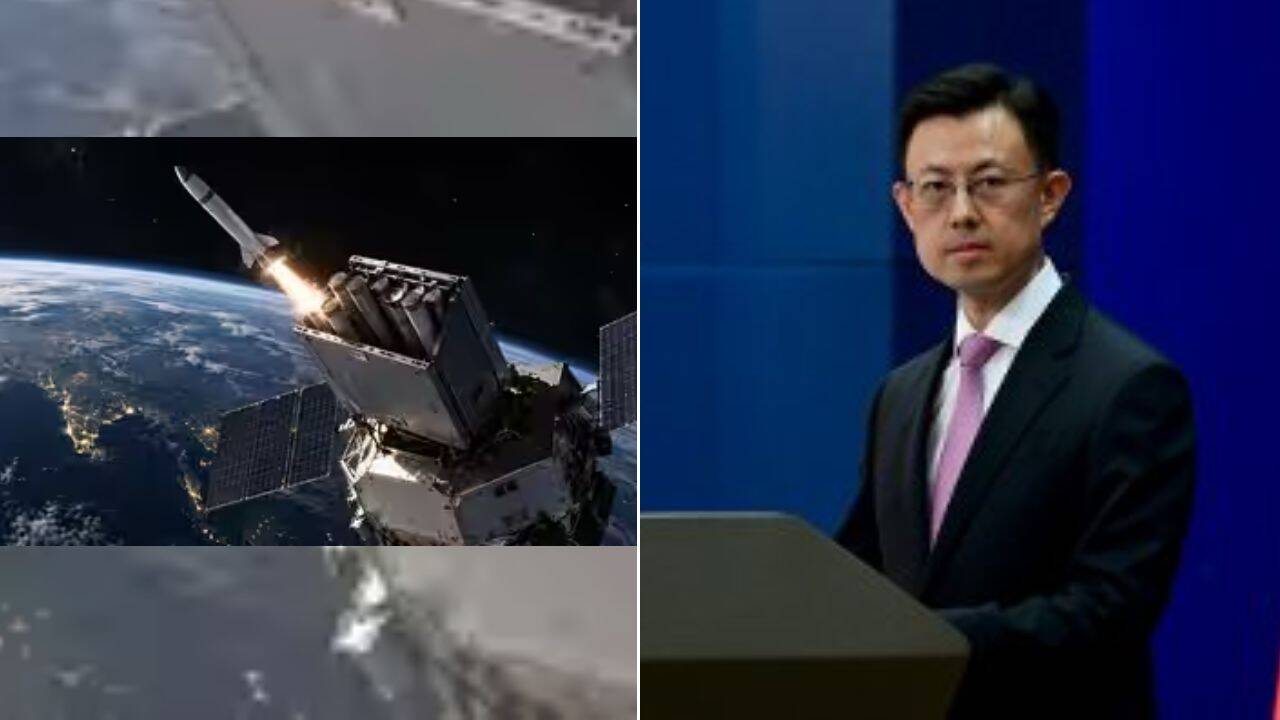
Space-based surveillance: Dhruva to get key systems worth €5m from Safran
India’s Dhruva satellite is set to receive key systems worth €5 million from French aerospace firm Safran, a move that will upgrade its space‑based surveillance capabilities.
'Be our co-traveller': PM Modi to France, other nations at space summit address
Prime Minister Narendra Modi addressed a space summit, urging France and other nations to join India as co‑travellers in space exploration efforts.
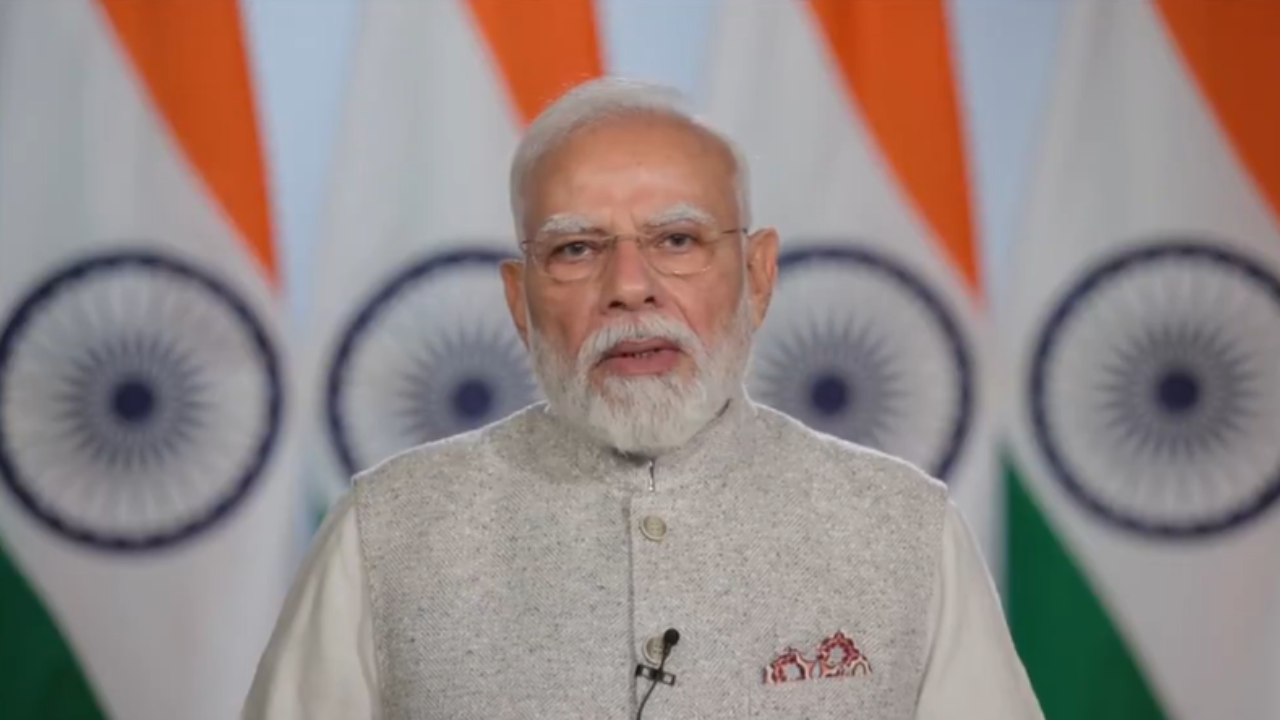
International Space Summit gets underway in Paris
Paris is hosting an international space summit featuring representatives from 90 nations. The event is projected to secure billions of dollars in investments through the signing of more than 50 collaborative projects.

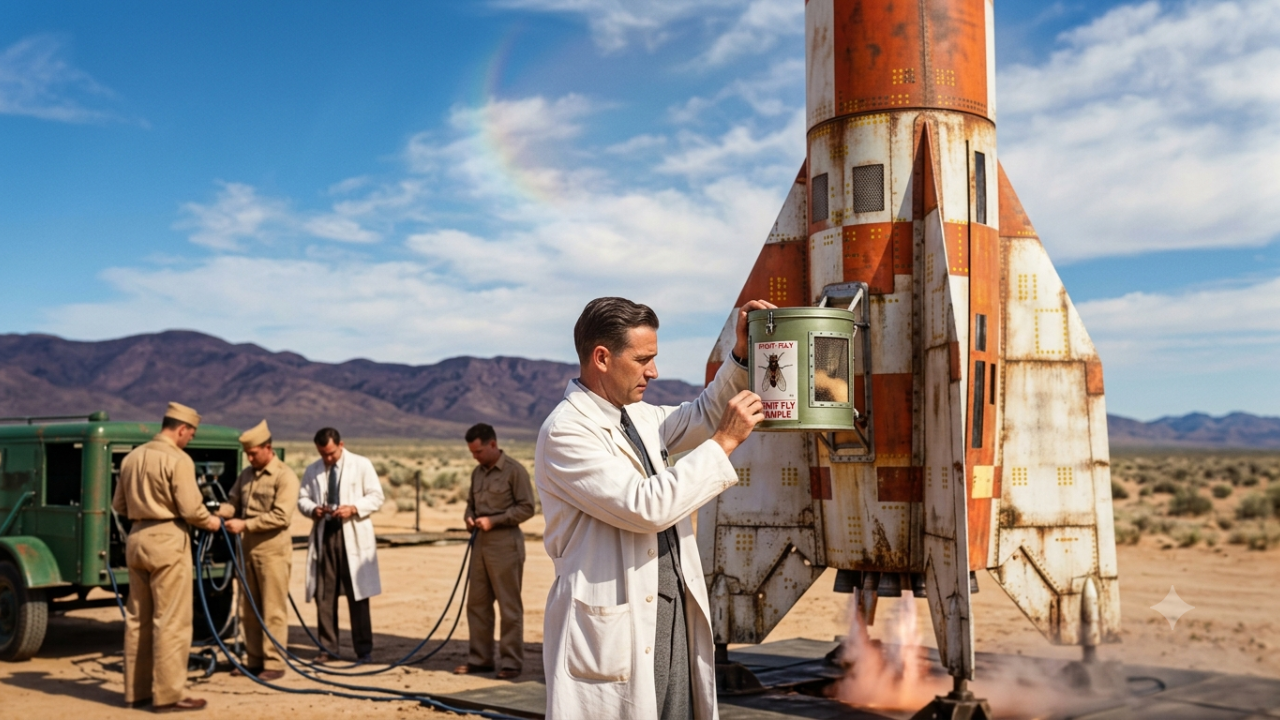
Fruit flies in space: How a 1947 experiment helped NASA study immunity
A historical 1947 space experiment involving fruit flies served as a foundational milestone for NASA's ongoing research into human immunity and spaceflight health impacts. This early initiative demonstrated how biological organisms respond to extraterrestrial conditions, paving the way for modern aerospace medicine.
From moon’s far side, a satellite to look for the first radio signal
A planned satellite, CosmoCube, and India's PRATUSH aim to detect the faint 21‑cm radio signal from neutral hydrogen, which could reveal how the first stars and galaxies formed. The signal is extremely weak compared to foreground emissions, making its isolation a major technical challenge.

International Space Summit set to be held in Paris amidst calls for Europe’s strategic autonomy in space
Paris is hosting an international space summit where global delegates, including a high-level team from India, are gathering. Discussions are expected to focus on European strategic autonomy regarding space exploration and policy.

Ground control: On ISRO, policy and and its focus
India's space agency ISRO is urged to prioritize space technology as a key driver of national development. The article outlines how focusing on space capabilities can support economic growth and infrastructure.

'Space ecosystem has to grow': Isro chief defends expanding private sector role
India’s chief of the Indian Space Research Organisation (ISRO) stated that the country’s space ecosystem must expand and that a larger role for private companies is essential for growth. He defended the move as a way to foster innovation and increase the sector’s competitiveness.
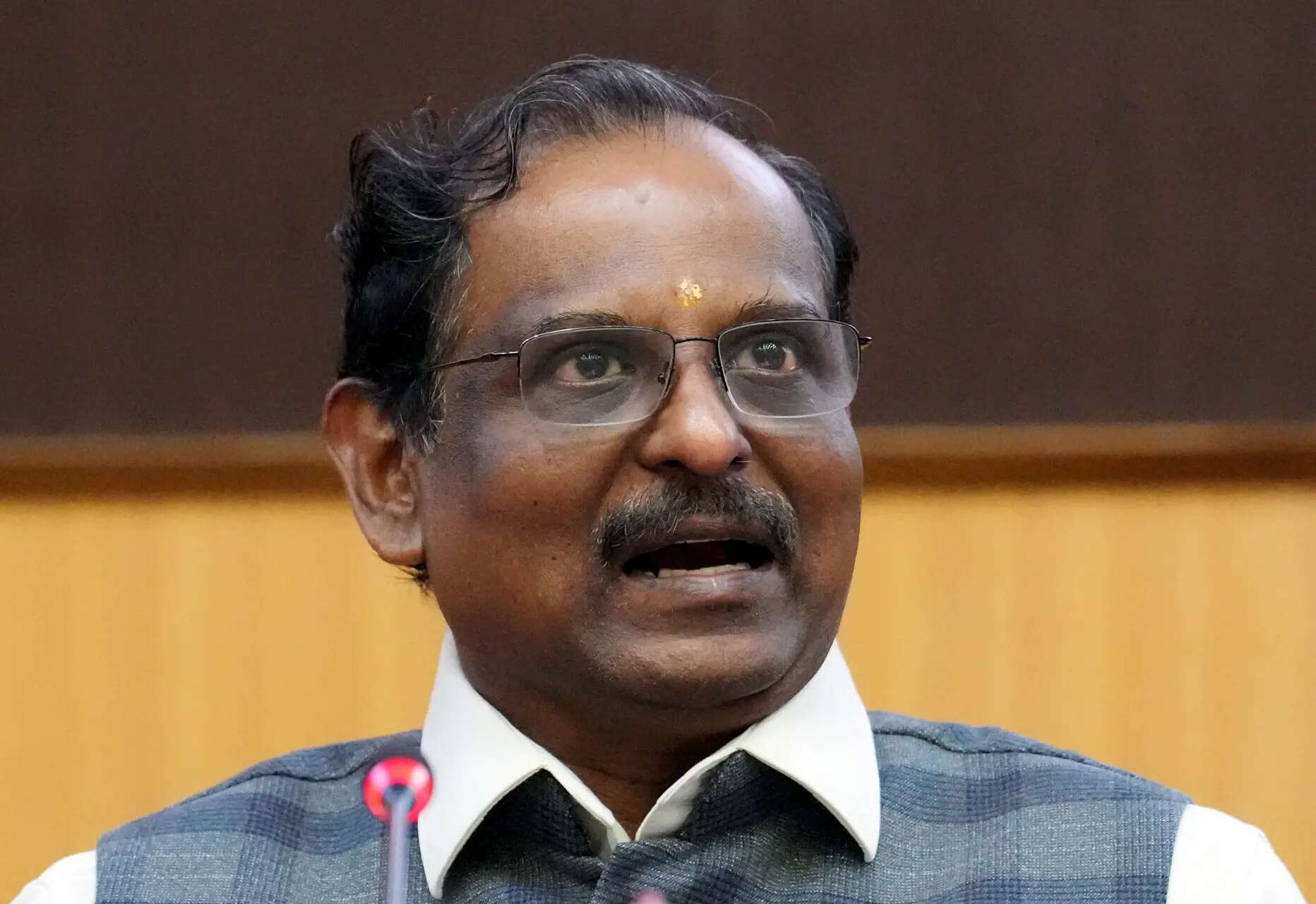
Bengaluru firm Pixxel raises $100 million to build infrastructure for a changing planet
Bengaluru-based space tech company Pixxel has secured $100 million in new funding to expand its operations. The capital will support the development of advanced sensing satellites, manufacturing capabilities, and earth intelligence software for environmental monitoring.

Agency won't be privatised or its role diminished: Isro
ISRO has confirmed it will not be privatized or have its role reduced, maintaining its status as a public agency.
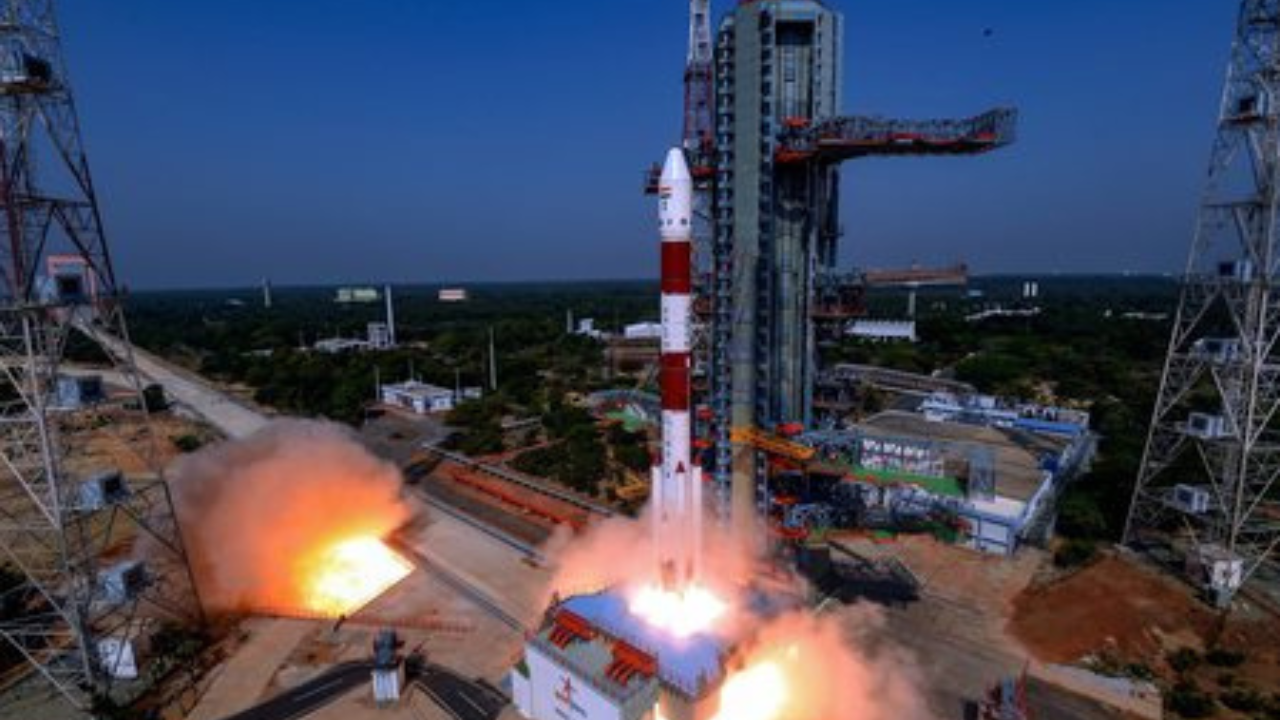
'Isro not being privatised': Space agency after staff seek clarity on future role
ISRO has confirmed it will not be privatized. The announcement came after employees asked for clarification on the agency's future direction.
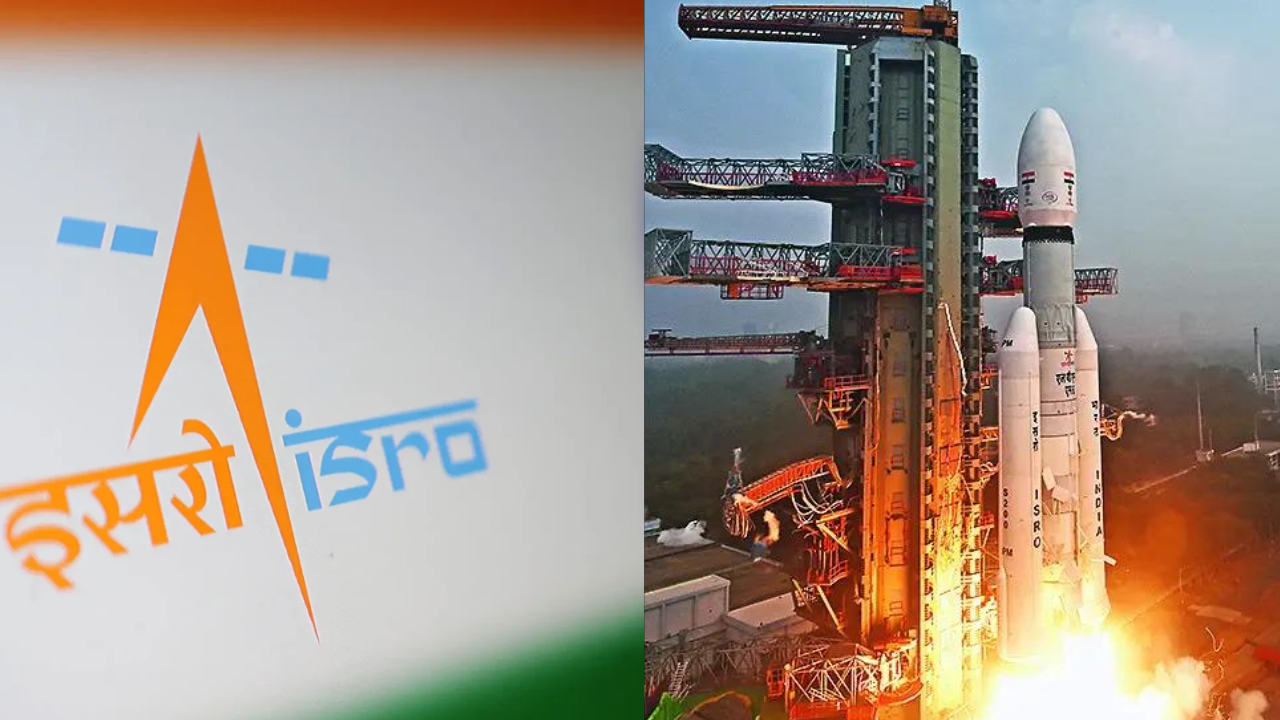
Isro will remain ‘bedrock of Indian space sector’, says Goenka
Officials have affirmed that the Indian Space Research Organisation will continue to serve as the foundational pillar for the nation's space industry. The statement emphasizes the ongoing central role of the organization in India's aerospace developments.
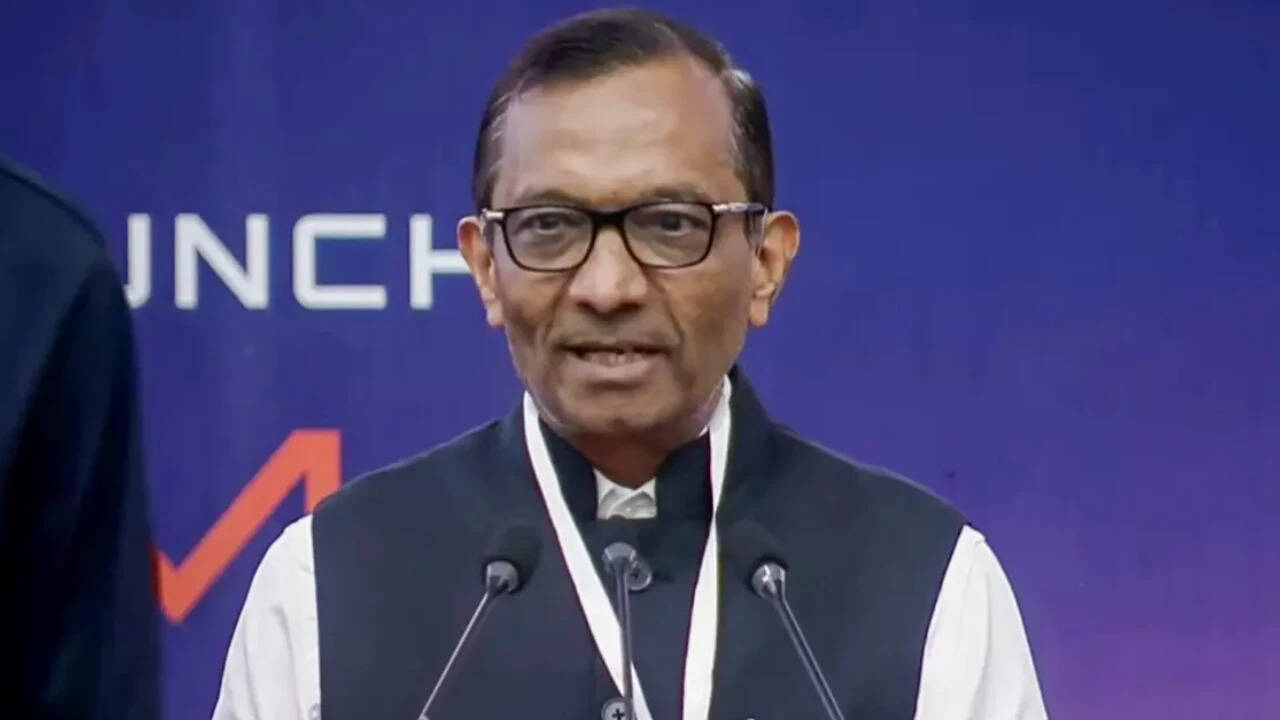
ISRO staff bodies seek clarification on the trajectory of privatisation
ISRO staff bodies have requested clarification about the future of India's space agency's privatization plans. They are concerned about whether the agency will continue to handle the design, development, integration, testing, and launch of its core launch vehicles, including PSLV, LVM3, SSLV, and future successors.

Will ISRO be part of NASA’s moonshot?
The article examines the possibility of Indian Space Research Organisation (ISRO) joining NASA's planned lunar exploration initiatives, outlining potential collaboration opportunities, benefits, and challenges for both agencies. It also considers how ISRO's expertise could complement NASA's moonshot goals.
Hyderabad firm supplied critical avionics, electronics systems to ISRO mission
A Hyderabad-based company has provided essential avionics and electronics systems for an Indian Space Research Organisation (ISRO) mission. The contribution supports the mission’s technical infrastructure and operational capabilities.
Tougher than Everest rescues: Inside Nepal's biggest airlift
Nepal recently conducted its largest airlift operation to evacuate stranded climbers and trekkers from remote mountain regions, surpassing the challenges of traditional Everest rescues. The mission involved multiple helicopters navigating hazardous terrain and extreme weather conditions to transport injured or stranded individuals to safety. Authorities coordinated the effort to address the growing risks posed by overcrowding and inadequate infrastructure in high-altitude areas.

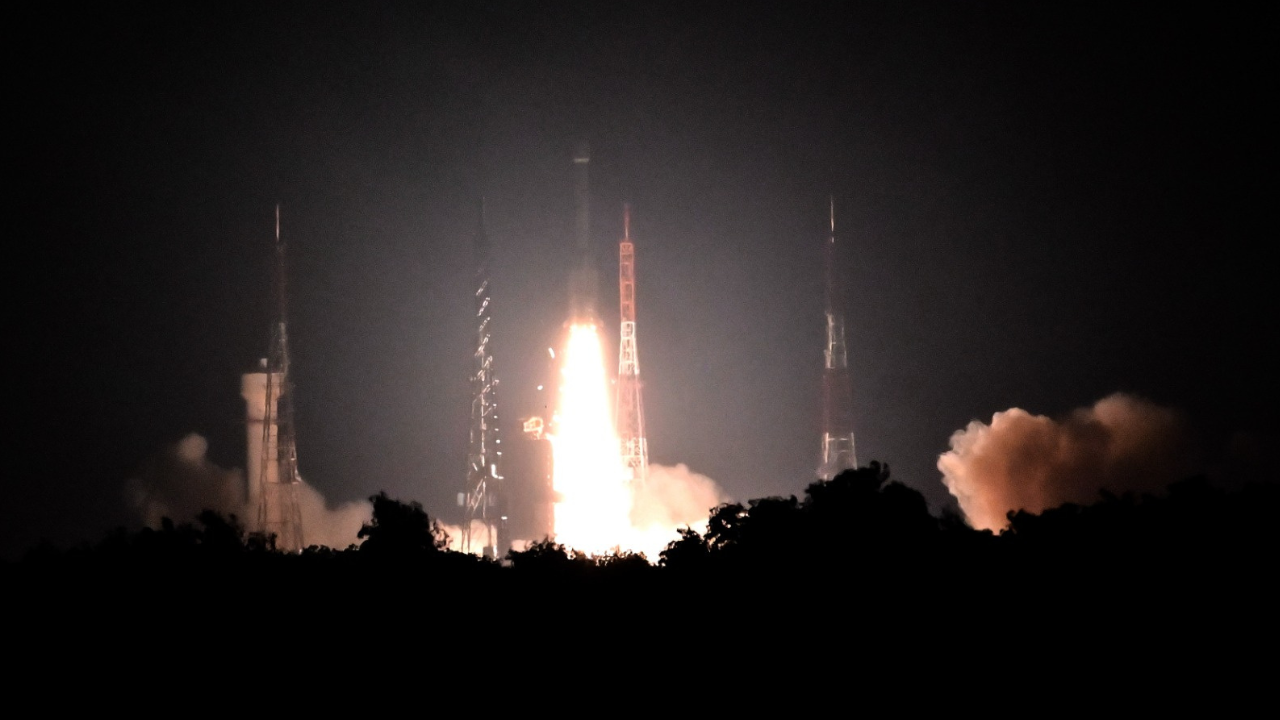
Isro’s GSLV-F17 successfully places EOS-05 Earth observation satellite in geosynchronous orbit
India's space agency ISRO successfully launched the GSLV-F17 rocket, deploying the EOS-05 Earth observation satellite into geosynchronous orbit. The mission marks another milestone in ISRO's satellite deployment capabilities. The satellite is designed for Earth observation purposes, including monitoring and data collection.
VIDEOS & BROADCASTS

Top 10 Space Discoveries in 2025: Deep Cosmos & Exoplanets

Market Analysis: Why Global Stocks Are Rallying Amid Lower Inflation

India's Tech Startups to Watch in 2025: AI, Fintech, & DeepTech

Highlights: RCB vs PBKS High-Octane IPL Final Blockbuster

OpenAI GPT-4.5 Reasoning Architecture Breakdown

Renewable Energy Breakthrough: Next-Gen Solar Grid Storage

World Economy Outlook 2026: Interest Rates & Trade Corridors
