
NASA
NASA leads U.S. space exploration, conducting scientific research, satellite operations, and missions to study Earth, the solar system, and beyond.
NASA leads U.S. space exploration, conducting scientific research, satellite operations, and missions to study Earth, the solar system, and beyond.
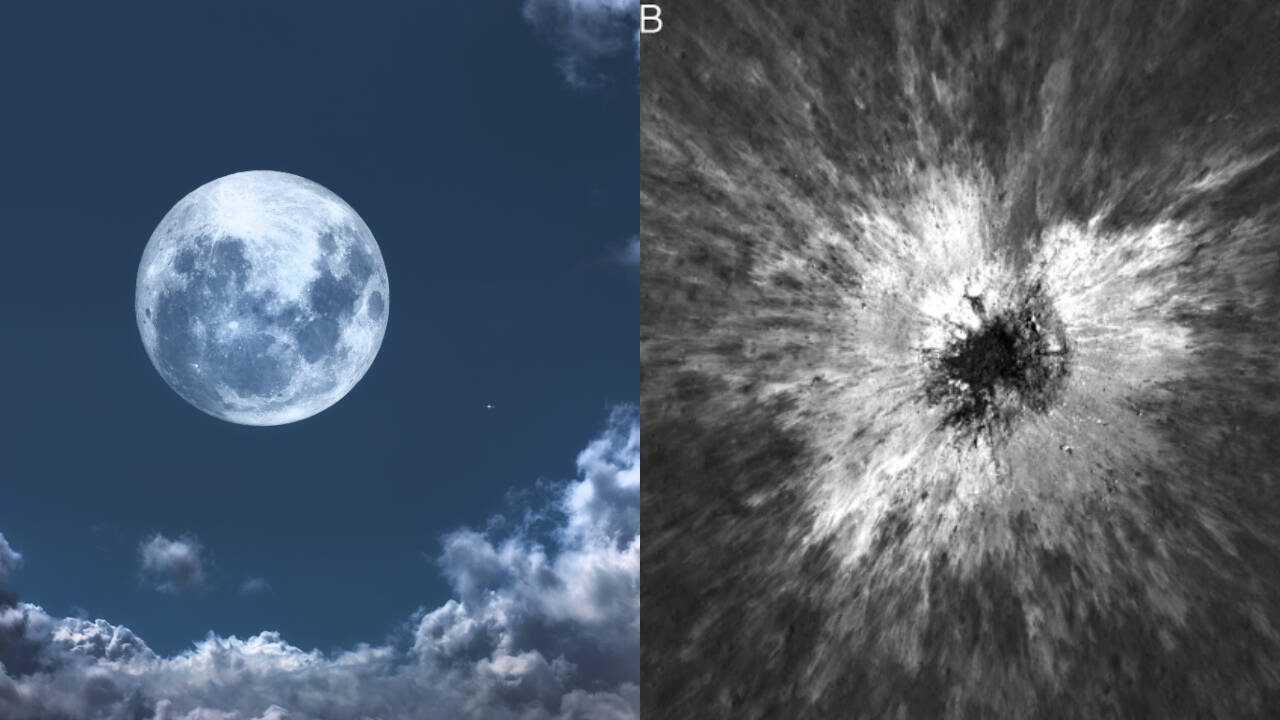
NASA finds 728-foot Moon crater from 2024 impact nobody saw happen
NASA has identified a 728‑foot crater on the Moon that resulted from an impact in 2024, an event that was not observed by Earth‑based or orbital instruments.
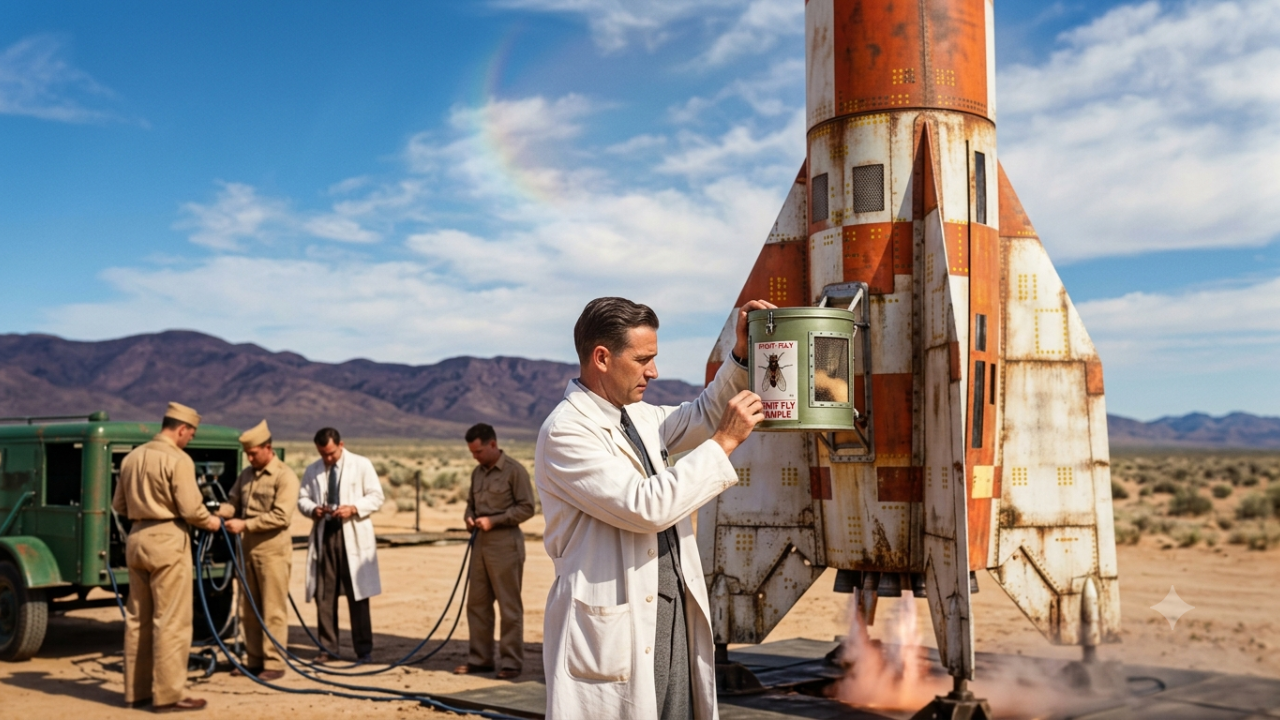
Fruit flies in space: How a 1947 experiment helped NASA study immunity
A historical 1947 space experiment involving fruit flies served as a foundational milestone for NASA's ongoing research into human immunity and spaceflight health impacts. This early initiative demonstrated how biological organisms respond to extraterrestrial conditions, paving the way for modern aerospace medicine.
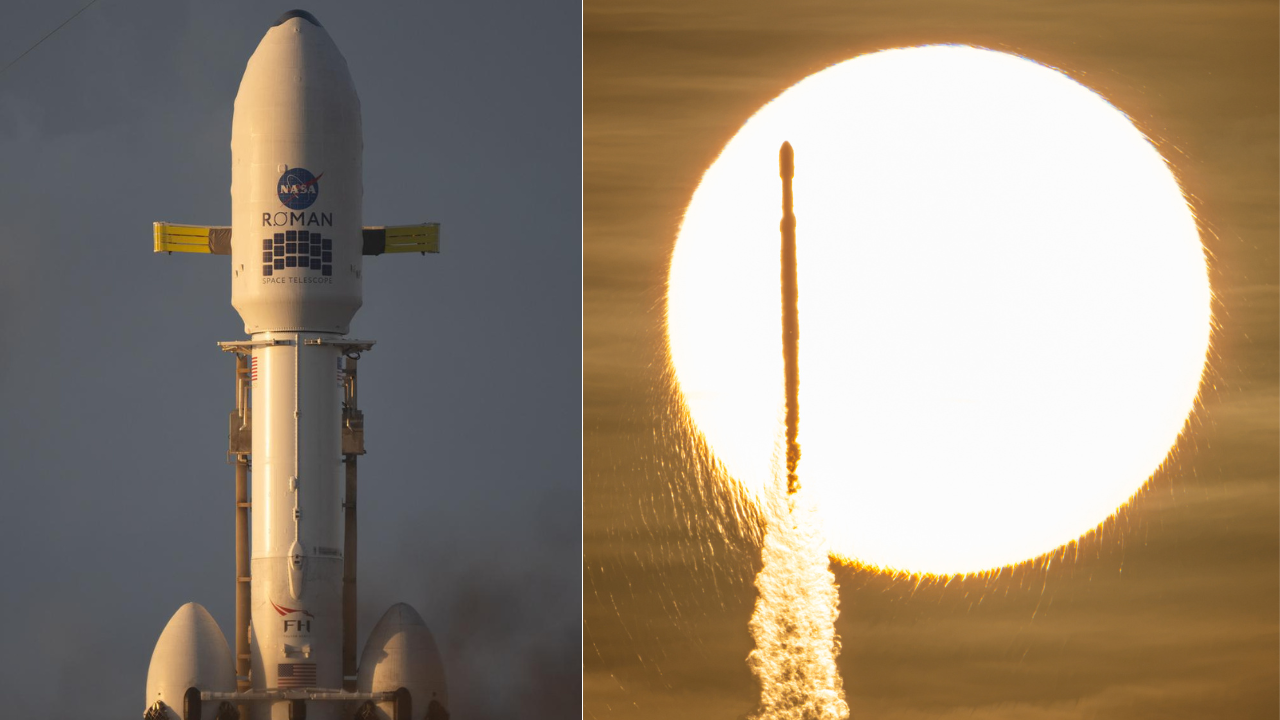
Why Nasa's Roman telescope is our best bet to find life in the stars
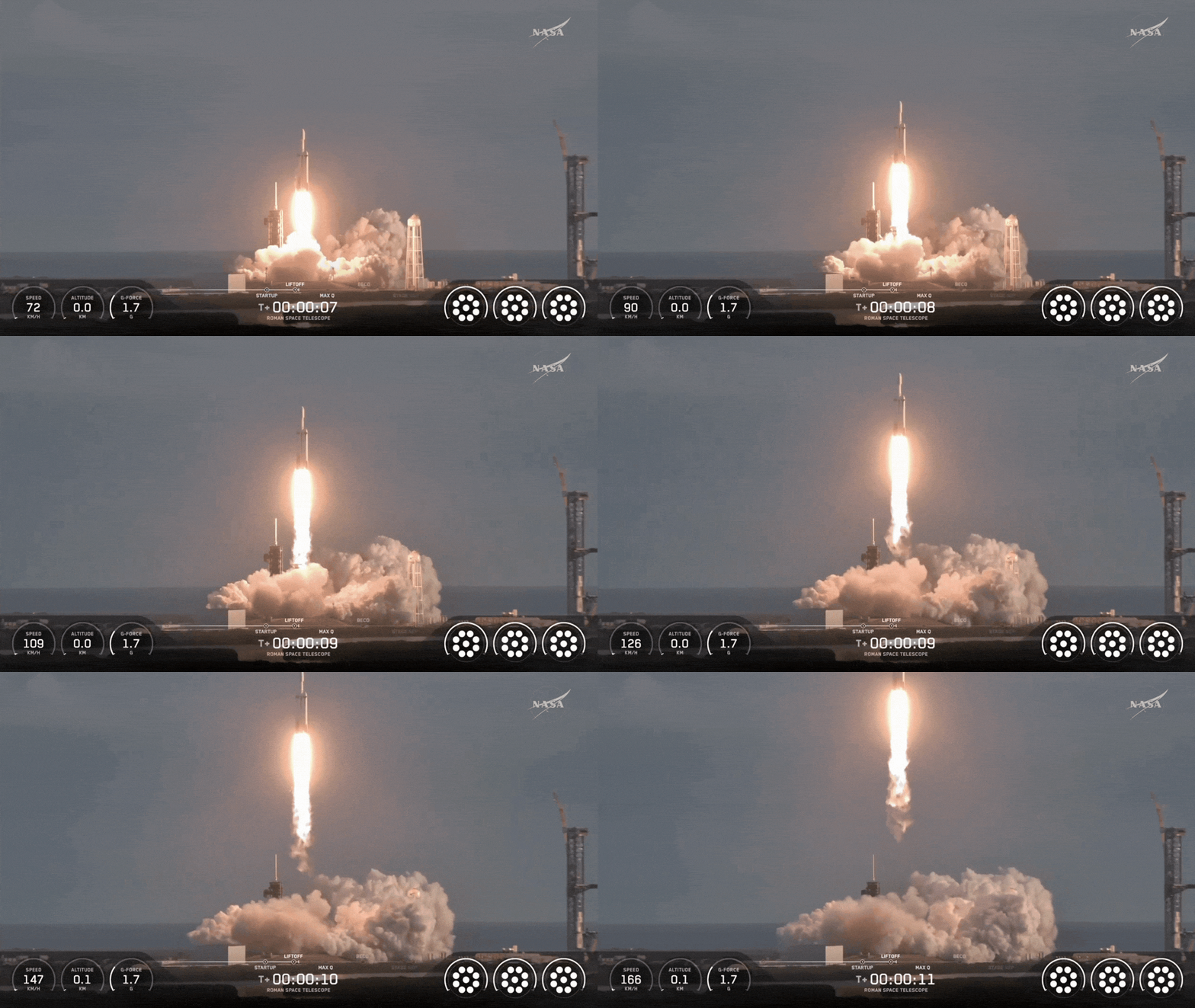
NASA’s upcoming Roman Space Telescope is poised to be the most powerful instrument for searching for signs of life beyond Earth, offering unprecedented sensitivity to exoplanet atmospheres and potential biosignatures.
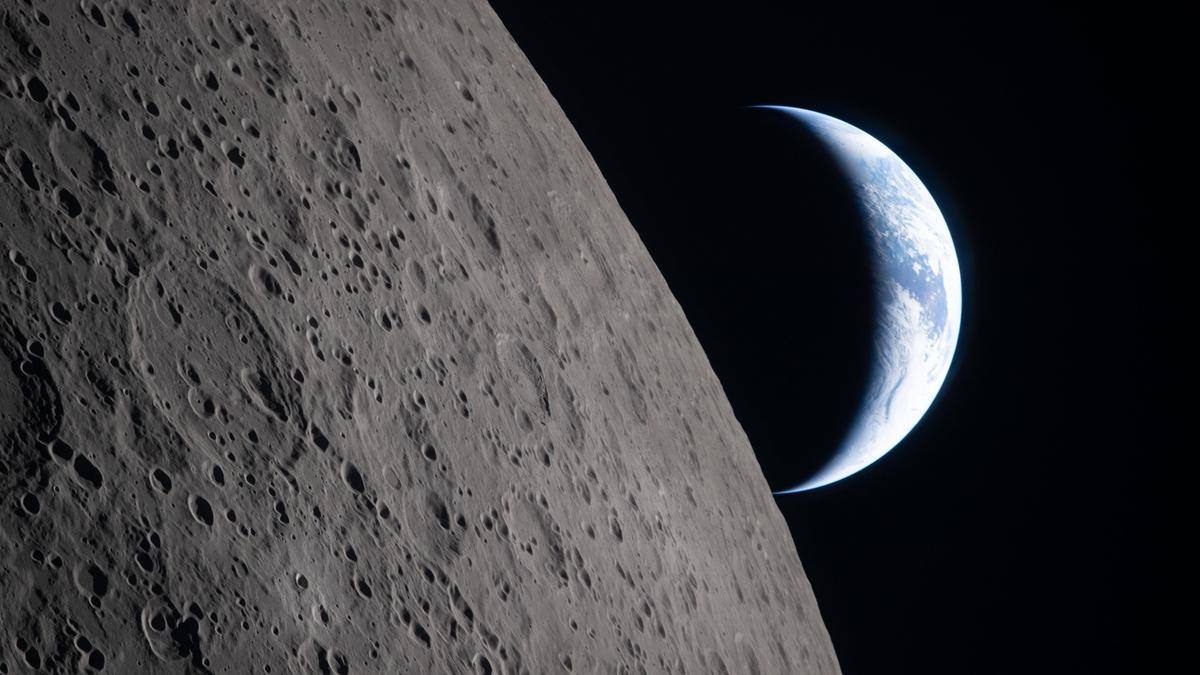
Will ISRO be part of NASA’s moonshot?
The article examines the possibility of Indian Space Research Organisation (ISRO) joining NASA's planned lunar exploration initiatives, outlining potential collaboration opportunities, benefits, and challenges for both agencies. It also considers how ISRO's expertise could complement NASA's moonshot goals.
Isro’s GSLV-F17 successfully places EOS-05 Earth observation satellite in geosynchronous orbit
India's space agency ISRO successfully launched the GSLV-F17 rocket, deploying the EOS-05 Earth observation satellite into geosynchronous orbit. The mission marks another milestone in ISRO's satellite deployment capabilities. The satellite is designed for Earth observation purposes, including monitoring and data collection.
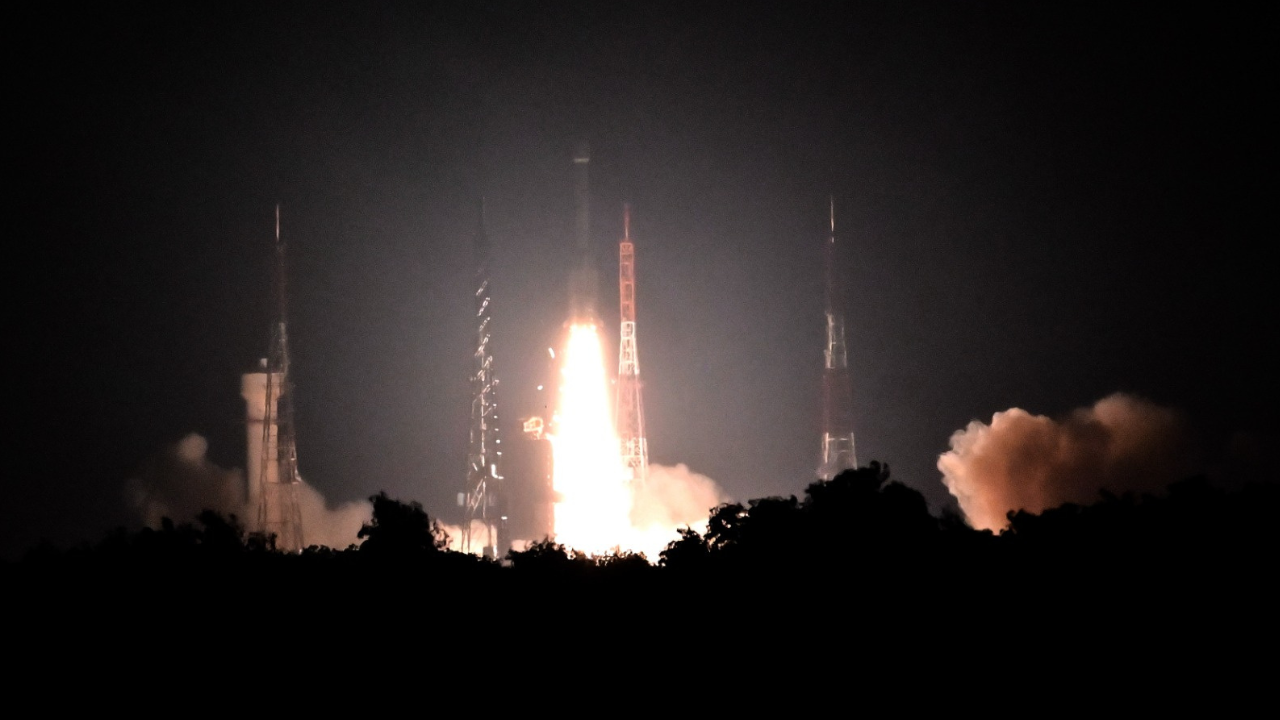
ISRO’s GSLV-F17 carrying EOS-05 lifts off from Sriharikota
India's space agency ISRO launched the GSLV-F17 rocket carrying the EOS-05 satellite from Sriharikota, marking the country's first imaging satellite placed in geosynchronous orbit. The pre-dawn mission achieved a successful lift-off, advancing India's satellite imaging capabilities. The satellite is designed to provide continuous monitoring of Earth's surface from a fixed position in orbit.

‘AstroRad’ vest offers astronauts lighter shield against solar storms
A new protective garment called the AstroRad vest is designed to provide astronauts with a lighter shielding option against hazardous solar storms during space missions. This development aims to improve personal safety and mobility for crews operating outside Earth's protective magnetic field.

Former DRDO head opens aerospace and defence facility
A former head of India's Defence Research and Development Organisation (DRDO) has inaugurated a new facility focused on aerospace and defence technologies. The facility aims to advance research and development in critical areas for national security and technological self-reliance.

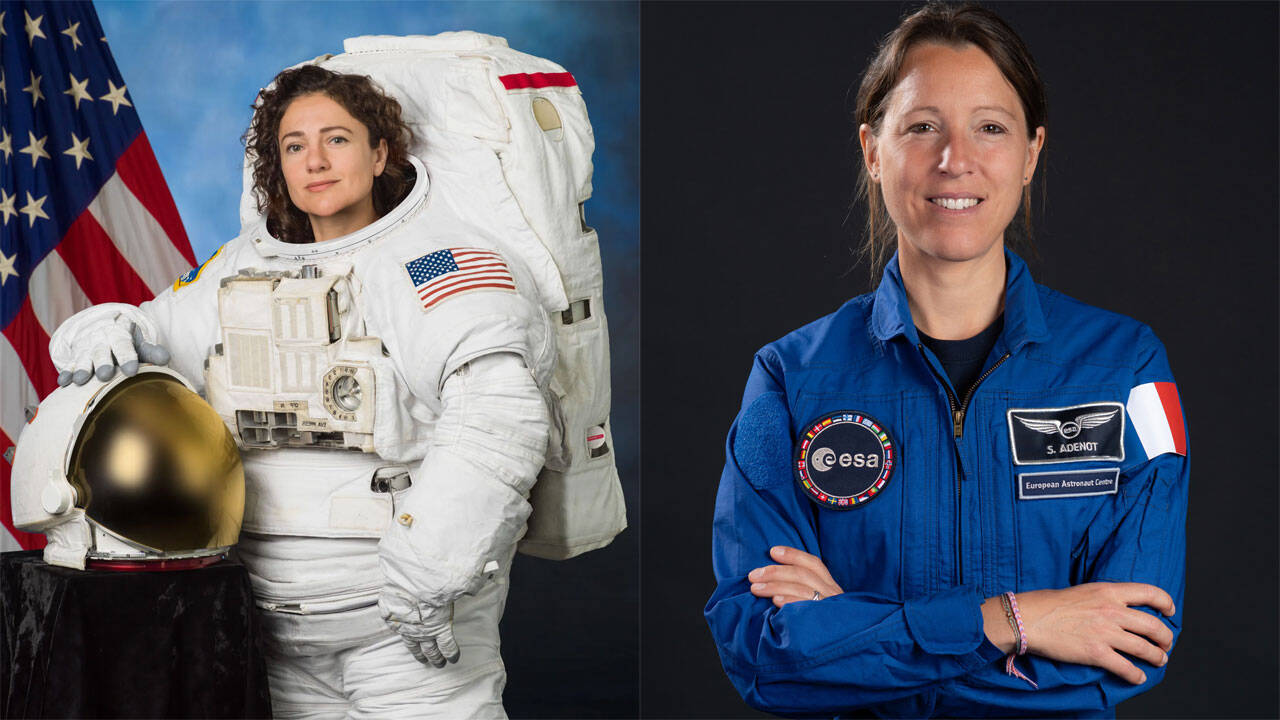
Meet Jessica Meir and Sophie Adenot: The astronauts behind the historic all-female spacewalk
NASA astronaut Jessica Meir and ESA astronaut Sophie Adenot completed the sixth all-female spacewalk on September 1, 2026. During the nearly seven-hour mission outside the International Space Station, the two astronauts successfully replaced critical equipment. Their backgrounds in marine biology, aerospace engineering, and test piloting illustrate the varied professional trajectories required for modern space missions.
Dark energy, exoplanets and black holes: What Nasa’s new Roman telescope will explore
NASA's upcoming Roman Space Telescope is designed to investigate several major astrophysical phenomena. The mission will focus on gathering data related to dark energy, detecting exoplanets outside our solar system, and studying black holes.
VIDEOS & BROADCASTS

Top 10 Space Discoveries in 2025: Deep Cosmos & Exoplanets

Market Analysis: Why Global Stocks Are Rallying Amid Lower Inflation

India's Tech Startups to Watch in 2025: AI, Fintech, & DeepTech

Highlights: RCB vs PBKS High-Octane IPL Final Blockbuster

OpenAI GPT-4.5 Reasoning Architecture Breakdown

Renewable Energy Breakthrough: Next-Gen Solar Grid Storage
World Economy Outlook 2026: Interest Rates & Trade Corridors
